
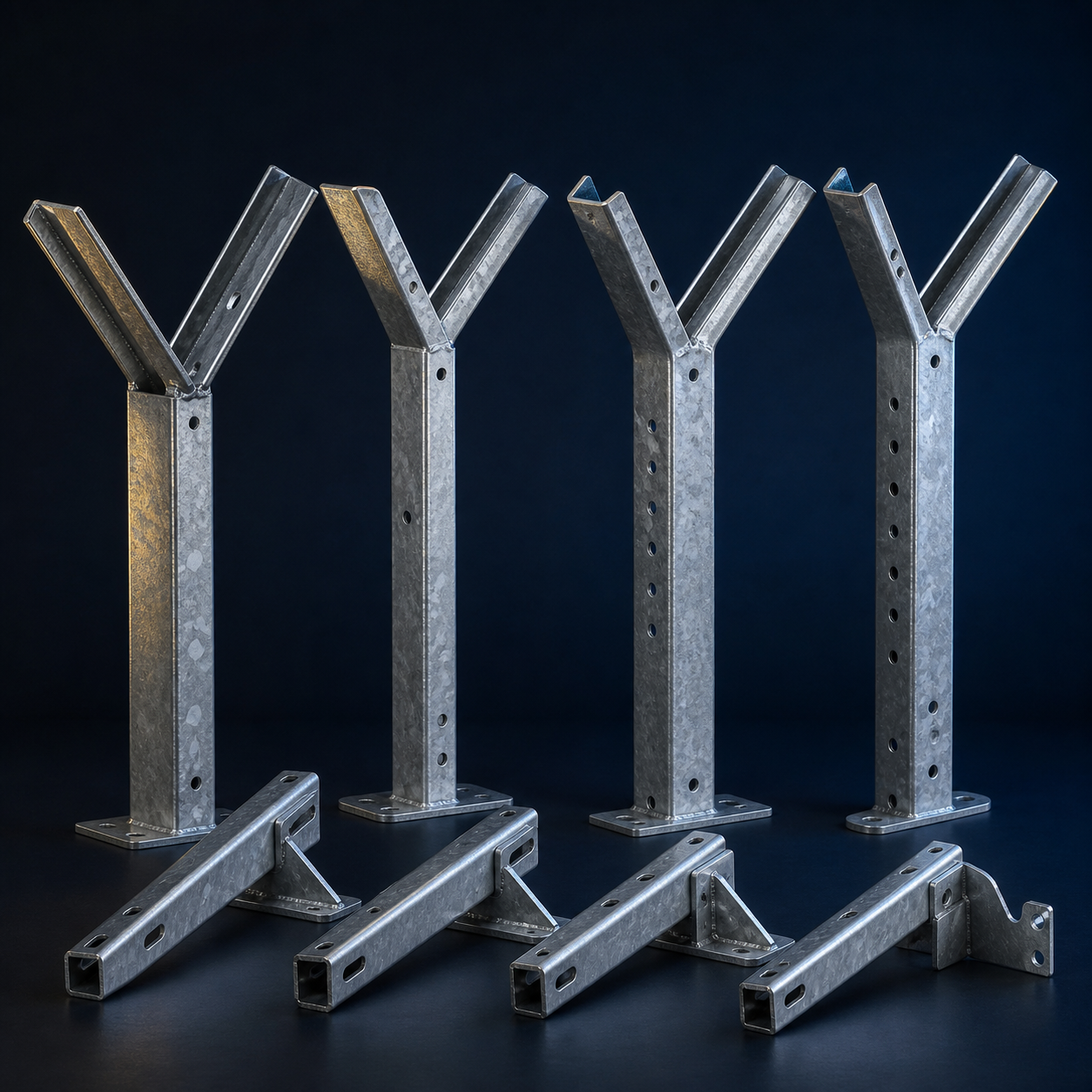
 S-Series
Electrified deterrence
PulseGuard Solar Fence
A project-configured pulsed deterrent layer for remote and monitored boundaries.
Galvanized steelStainless steel
View product 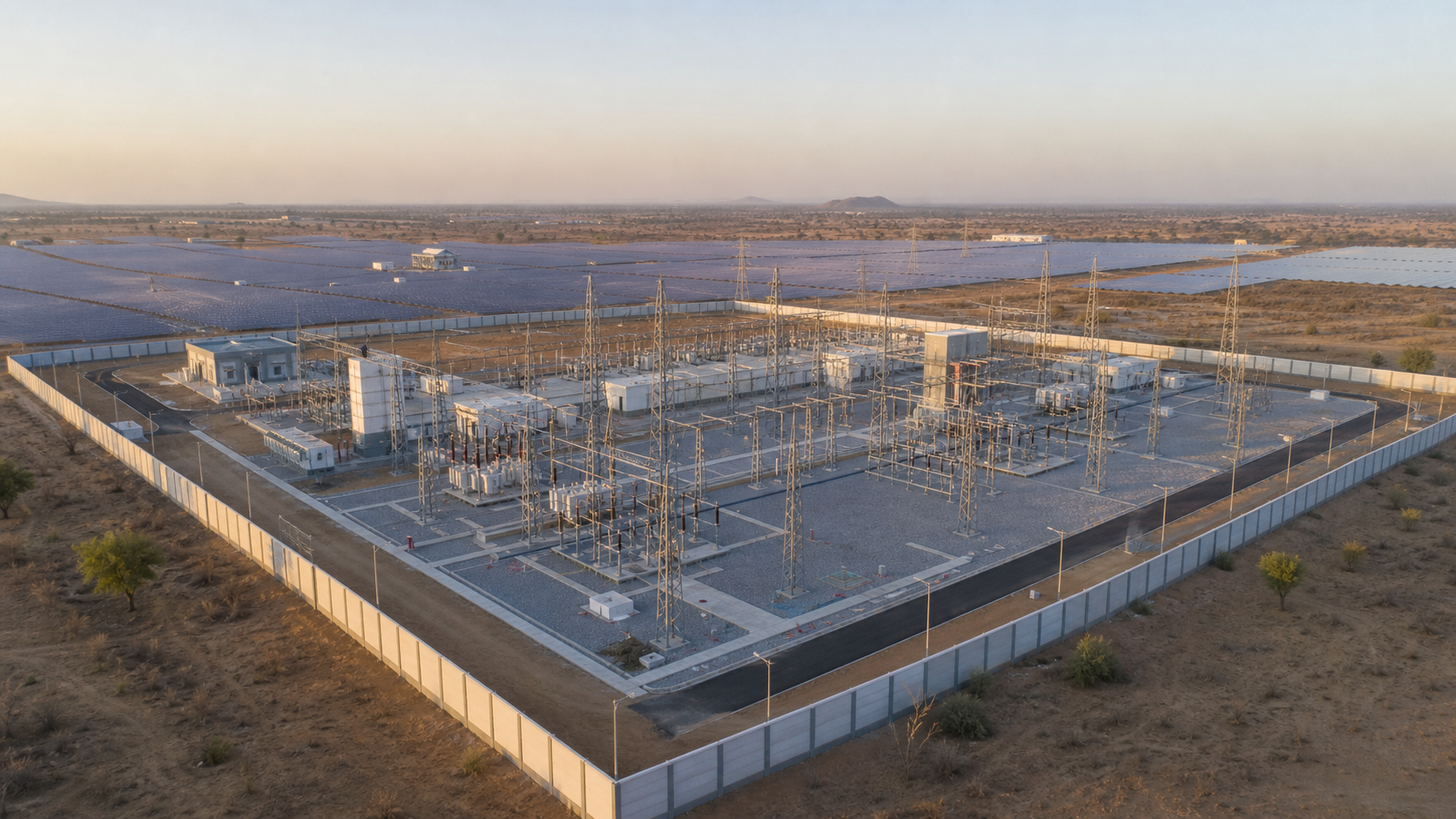
Protection across exposure
Perimeter systems configured for remote locations, electrical interfaces, difficult exposure, and long service expectations.
Remote does not mean simple. Every kilometer adds environment, access, and maintenance decisions.
Operating context
Generation, transmission, storage, and distribution sites combine exposed equipment with wide geographies and varied access patterns. A reliable boundary accounts for electrical safety, earthing strategy, corrosion, vegetation, inspection routes, emergency entry, and the practicalities of remote maintenance.
What the system must resolve
These are design conversations, not universal claims. Project-specific risk and engineering review remain essential.
Heat, dust, moisture, coastal conditions, and vegetation influence material and finish selection.
Conductive perimeter elements require coordination with earthing, clearances, and applicable standards.
Components and layouts should support inspection, repair, and controlled replacement.
Priority matrix
Priorities should be ranked and translated into measurable project requirements.
Exposure-led material selection
Electrical and earthing coordination
Long-run installation logic
Vegetation and fire clearance
Remote monitoring readiness
Maintainable access points
Inputs before specification
Capture these inputs early enough to influence civil work, access strategy, and system selection.
Relevant Corvex systems
These families commonly support the priorities above. Final selection depends on the approved project inputs and complete system design.
S-SeriesElectrified deterrence
A project-configured pulsed deterrent layer for remote and monitored boundaries.
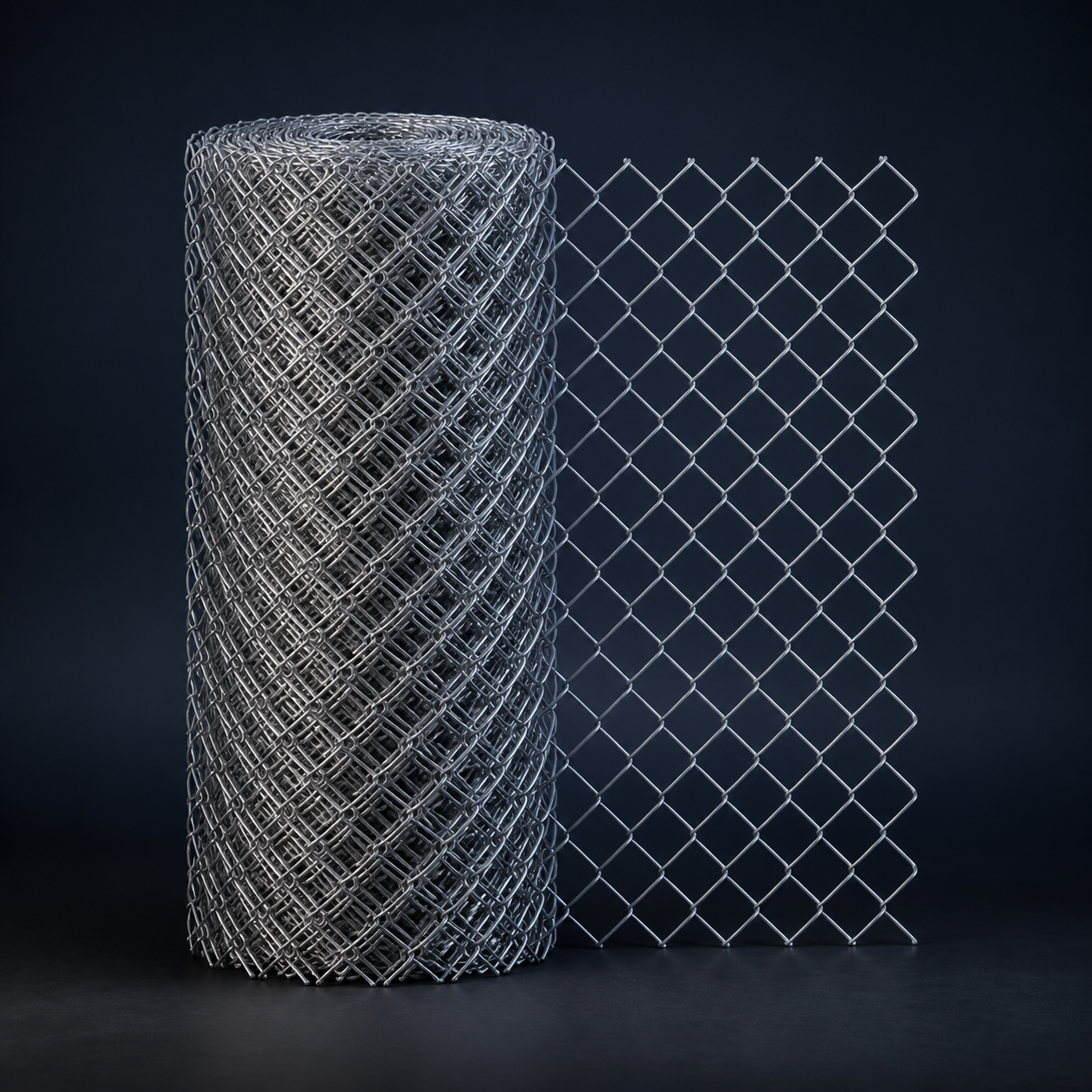 M-Series
Boundary fencing
Flexible diamond mesh for long-run industrial boundaries and coordinated fencing systems.
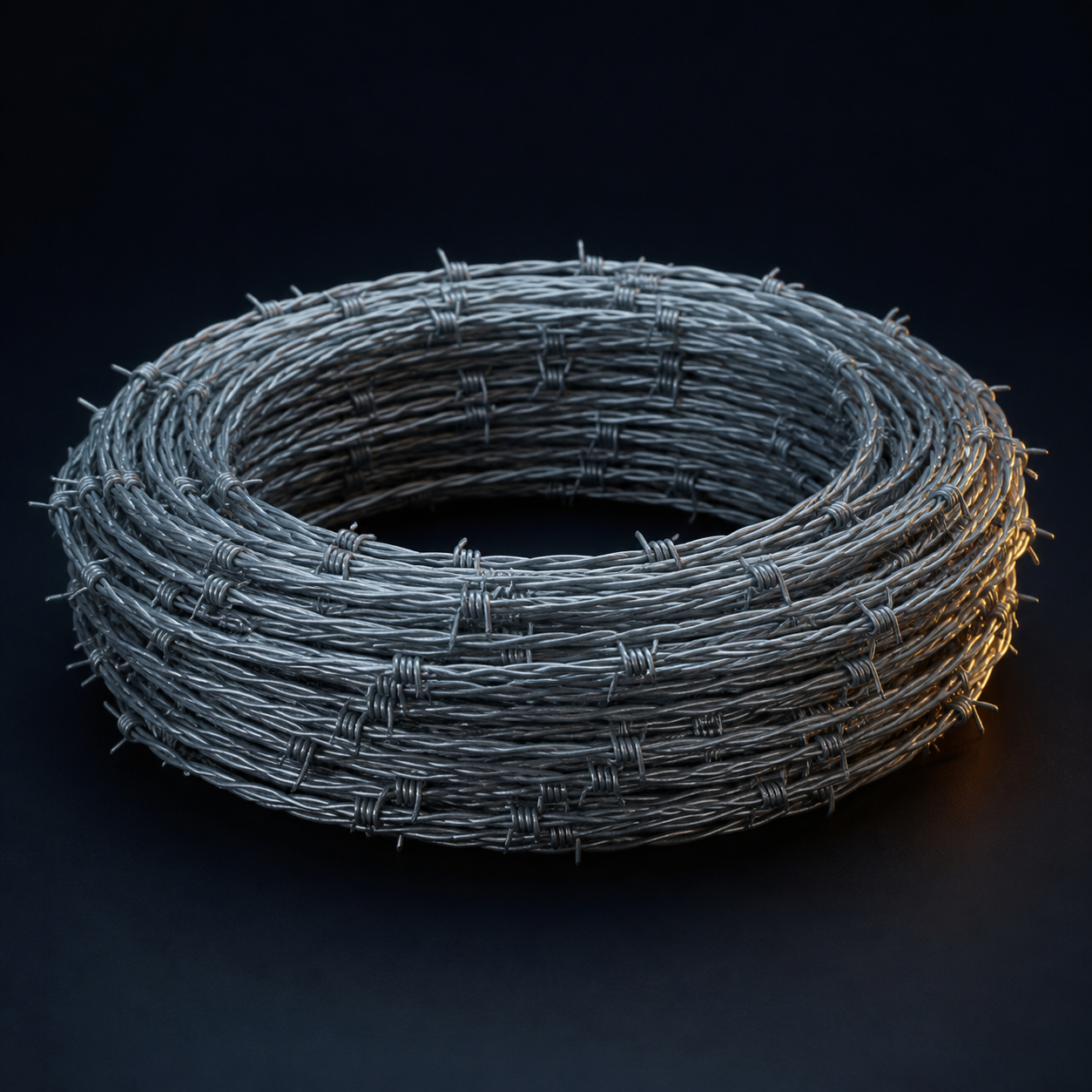 B-Series
Boundary fencing
A controlled double-strand deterrent wire for boundary, topping, and land-protection use.
Project path
Map alignment, interfaces, movement, exposure, and constraints.
Define boundary layers, access, deterrence, visibility, and response.
Coordinate products, structures, gates, civil work, and installation.
Confirm configuration, evidence, identification, and dispatch sequence.
Plan the full perimeter
Share site plans, operating needs, risk priorities, governing standards, and project timing to start a useful technical review.
Adjacent environments
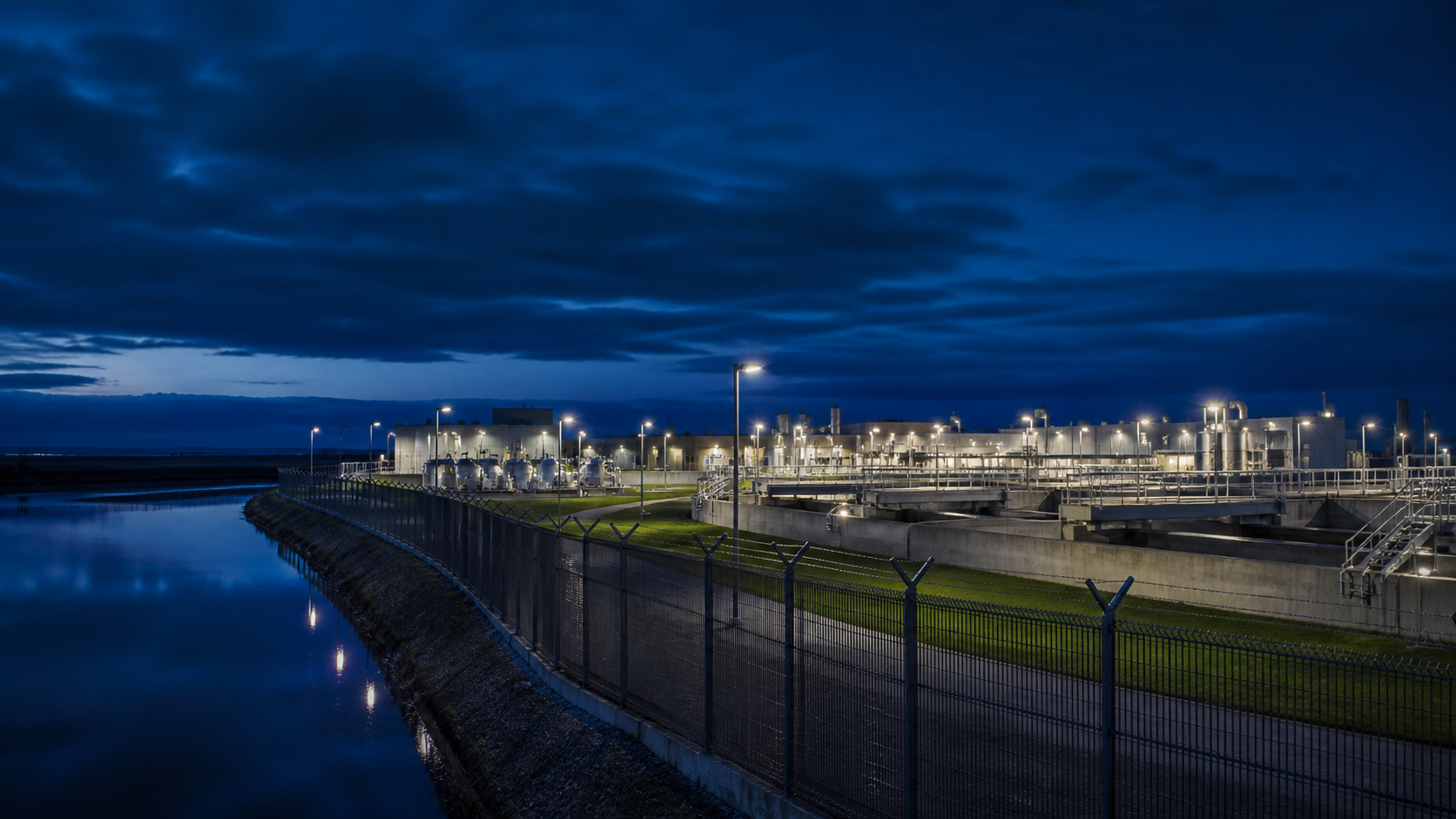
Continuity at the boundary
Layered perimeter thinking for assets where interruption, uncontrolled access, and unclear responsibility carry outsized consequences.
Protection over distance
Practical long-run boundaries configured around terrain, livestock, wildlife, crops, remote upkeep, and project economics.
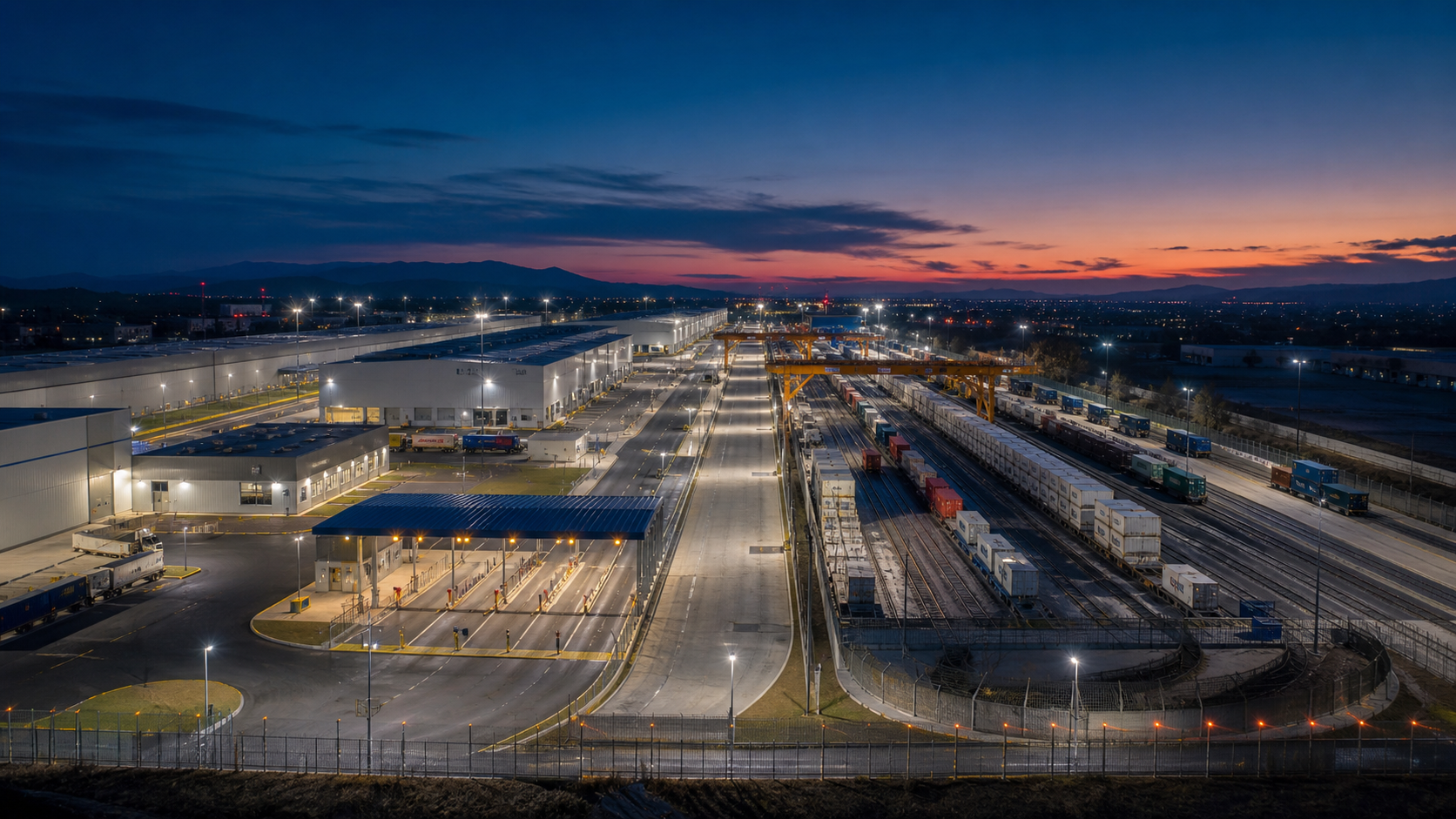
Boundaries in motion
Long-run systems shaped around moving assets, public interfaces, visibility, operational gates, and phased expansion.